

By Dr. Manas Chakrabarti, FRCOG - Gynaecological Oncologist, Kolkata
In brief: Fibroids are common, often silent, and frequently misunderstood. This article explains what they are, why they develop, what they feel like, and what your treatment options look like today - including the most advanced techniques now available in Kolkata.
🔷 What Are Fibroids?
Imagine sitting down to your favourite meal and feeling a dull, low ache in your abdomen that simply will not leave. Or finding that your periods have grown so heavy over the past year that you are quietly exhausted by the middle of every month. These are the moments when fibroids stop being a word you have heard and start being something that matters to you personally.
Fibroids are growths that develop from the muscle tissue of the uterus. They are technically classified as tumours - but in the overwhelming majority of cases, they are entirely non-cancerous. The word tumour simply means an abnormal growth of tissue; it does not, on its own, mean cancer.
Research suggests that up to four in ten women will develop fibroids at some point during their lives. They are one of the most common gynaecological conditions in the world - and one of the most frequently misdiagnosed or simply dismissed.
🔷 Why Fibroids So Often Go Unnoticed
Here is something that surprises many women when they finally receive a fibroid diagnosis: they had no idea anything was wrong.
Fibroids often produce no symptoms at all. A woman can carry multiple fibroids for years - sometimes decades - without ever feeling them. This is not rare. It is, in fact, the most common presentation.
This is partly why fibroids are so often found incidentally, during a routine ultrasound for an entirely different reason. It is also why women sometimes minimise symptoms they have lived with for years, assuming that heavy periods or persistent pelvic discomfort are simply normal for them.
They are not always normal. If your body is telling you something is different, it is worth listening to.
🔷 Symptoms: What Fibroids Can Feel Like
When fibroids do cause symptoms, the experience varies considerably depending on their size and location.
Some women notice:
Irregular or heavy periods, sometimes with clots
Pelvic pain or a sensation of pressure or fullness in the lower abdomen
Lower back discomfort
A need to urinate more frequently than usual
Pain or discomfort during sexual intercourse
A visibly swollen or enlarged abdomen in cases of very large fibroids
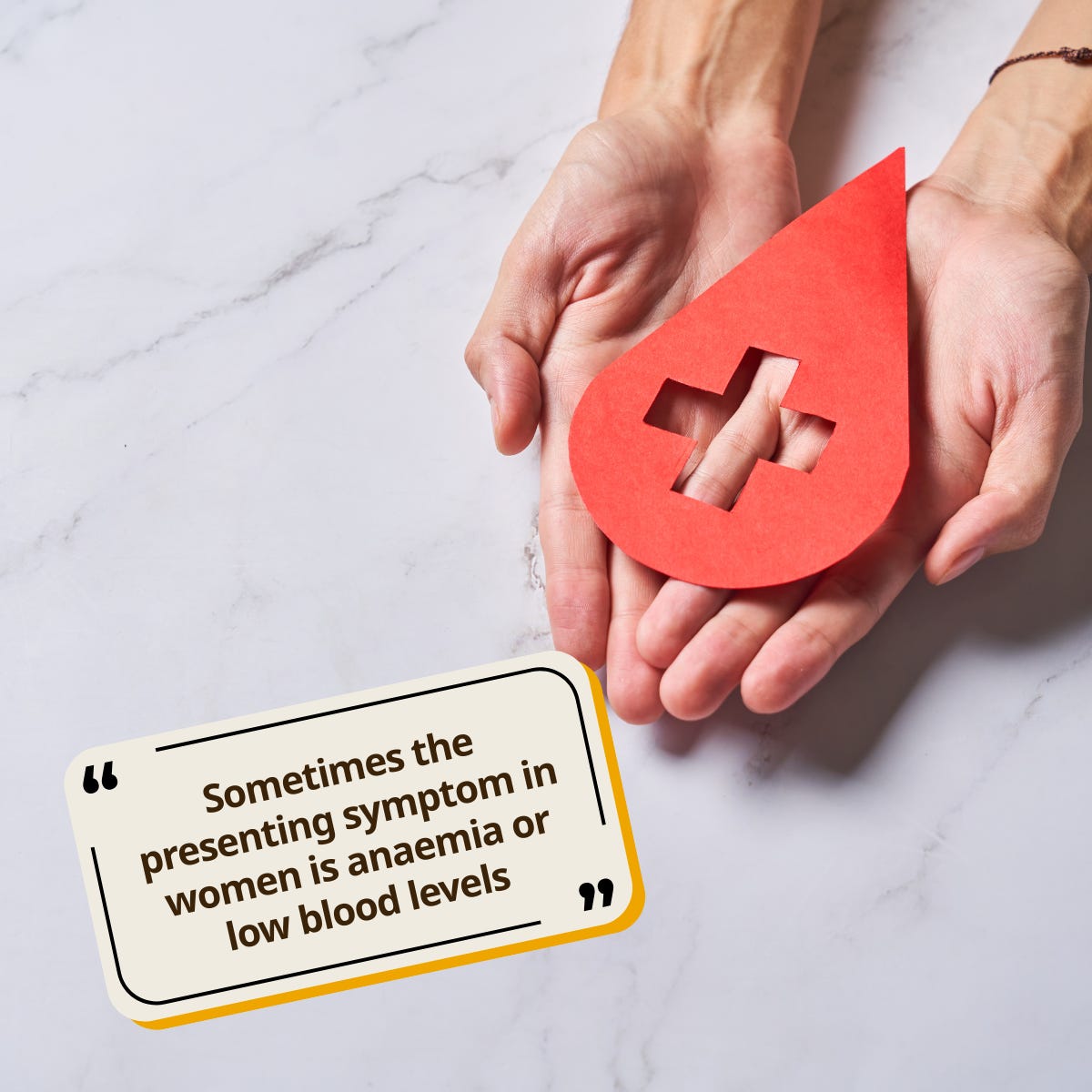
In some women, the first sign is not pain but exhaustion - specifically, the fatigue that comes with anaemia caused by prolonged heavy bleeding. This connection between heavy periods and low iron levels is frequently missed, both by patients and sometimes by general practitioners who treat the anaemia without investigating its cause.
For younger women who are planning a family, larger or strategically positioned fibroids can sometimes make it harder to conceive, or may increase the risk of miscarriage in some cases. It is equally important to state clearly, however, that many women conceive, carry pregnancies to term, and give birth without any intervention at all - fibroids and all.
🔷 Why Do Fibroids Develop?
The precise mechanism by which fibroids develop is still an area of active research. What the evidence does suggest is that oestrogen - the primary female sex hormone, produced mainly by the ovaries - plays a significant role in their growth.
This explains a pattern that gynaecologists observe consistently: fibroids are most commonly diagnosed between the ages of 16 and 50, the years during which oestrogen levels in the body are at their highest. After the menopause, when the ovaries significantly reduce their oestrogen output, most fibroids shrink spontaneously and symptoms often resolve without any treatment.
Women who carry excess body weight tend to develop fibroids more frequently - likely because adipose tissue produces its own oestrogen, extending the hormonal exposure that encourages fibroid growth.
🔷 Types of Fibroid: Where They Sit Matters
Not all fibroids behave alike, and their location within the uterus determines both the symptoms they cause and the treatment options available.
The inner lining of the uterine wall is called the endometrium. The muscle layer itself is the myometrium. Fibroids are named according to where they grow:
Submucosal fibroids grow on the inner side of the uterus, towards the endometrium. These are most closely associated with heavy bleeding and fertility difficulties.
Intramural fibroids develop within the muscle wall itself. They are the most common type.
Subserosal fibroids grow on the outer surface of the uterus. These more commonly cause pressure symptoms - bladder urgency, back pain, or a feeling of abdominal fullness.
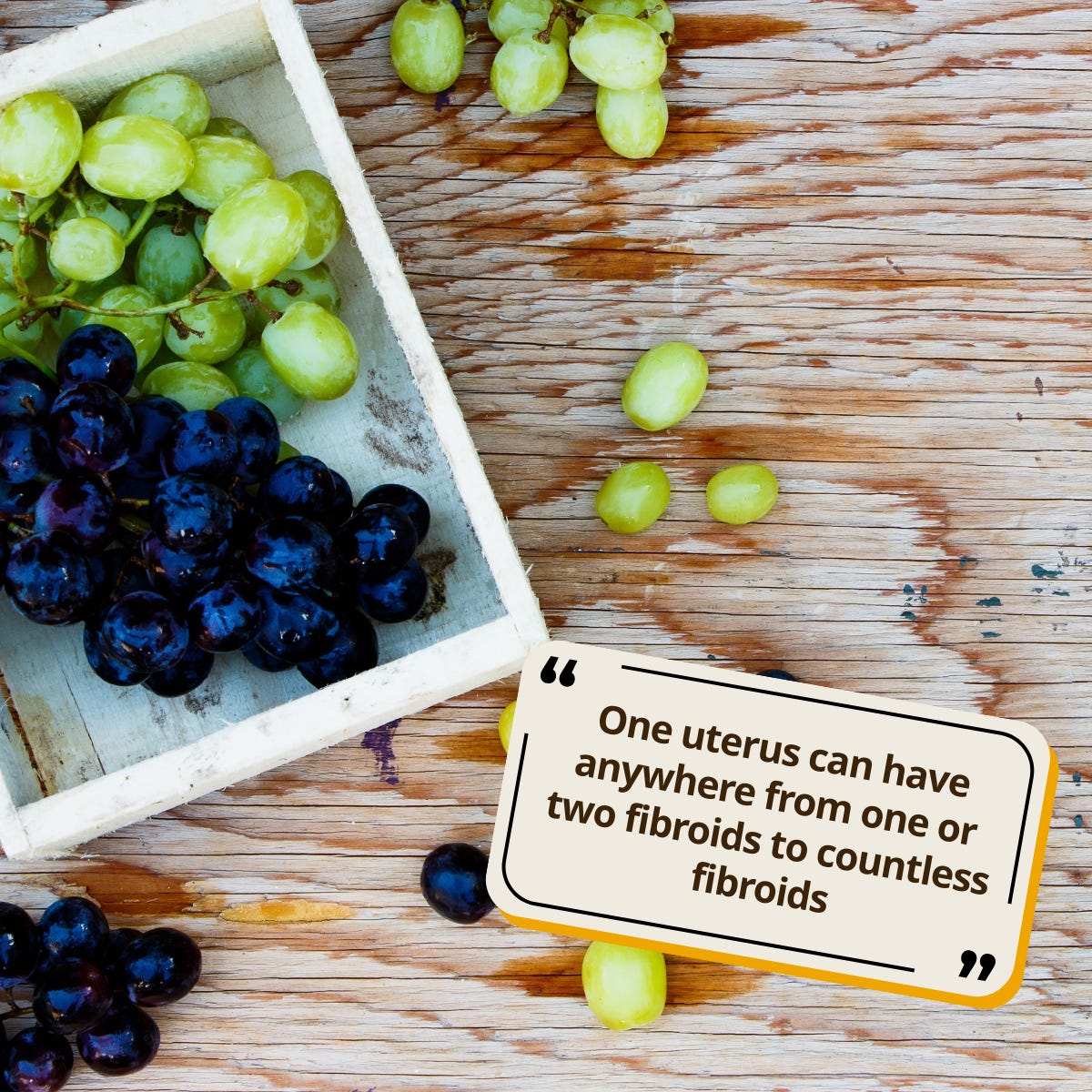
A single uterus may contain one fibroid or many. Their size ranges from a few millimetres - smaller than a pea - to, in rare cases, the size of a large melon.
🔷 When Should You See a Doctor?
If any of the symptoms described above are familiar to you - particularly if your periods have changed, if you are feeling inexplicably tired, or if you are aware of a new discomfort in your lower abdomen - it is worth speaking to a gynaecologist.
Early assessment is always preferable to watchful waiting. The earlier a fibroid is identified, the wider your range of treatment options.
The first consultation typically involves taking a detailed medical history, followed by a clinical examination. This examination is non-invasive, involves no cutting, and is not painful.
🔷 Investigations: What to Expect
🔹 Blood Tests
A full blood count will check for anaemia. Hormone levels may also be assessed depending on your individual presentation.
🔹 Ultrasound
The most common imaging investigation for fibroids is an ultrasound scan. This is entirely painless. It uses sound waves - inaudible to the human ear - to produce detailed images of the uterus, allowing your doctor to confirm the presence, location, and size of any fibroids.
🔷 Treatment Options
🔹 When No Treatment Is Needed
Fibroids that are small, symptom-free, and not interfering with daily life or fertility do not necessarily require intervention. In these cases, a policy of periodic monitoring - keeping a watchful eye rather than acting immediately - is entirely appropriate.
🔹 Medical Treatment
Where symptoms are present but manageable, medication is often the first line of response. Several effective pharmaceutical options exist to reduce bleeding, manage pain, or temporarily shrink fibroids.
🔹 Surgical Treatment
When medication is insufficient, surgery offers highly effective long-term solutions. Surgical practice in this area has advanced significantly. Anaesthesia is considerably safer than it was even a decade ago, and post-operative recovery has been transformed by structured recovery protocols.
Patients at our centre in Kolkata have access to the Enhanced Recovery After Surgery (ERAS) pathway - the same international standard of post-operative care used in leading centres in the United Kingdom and Europe. This means less pain, faster recovery, and an earlier return home.
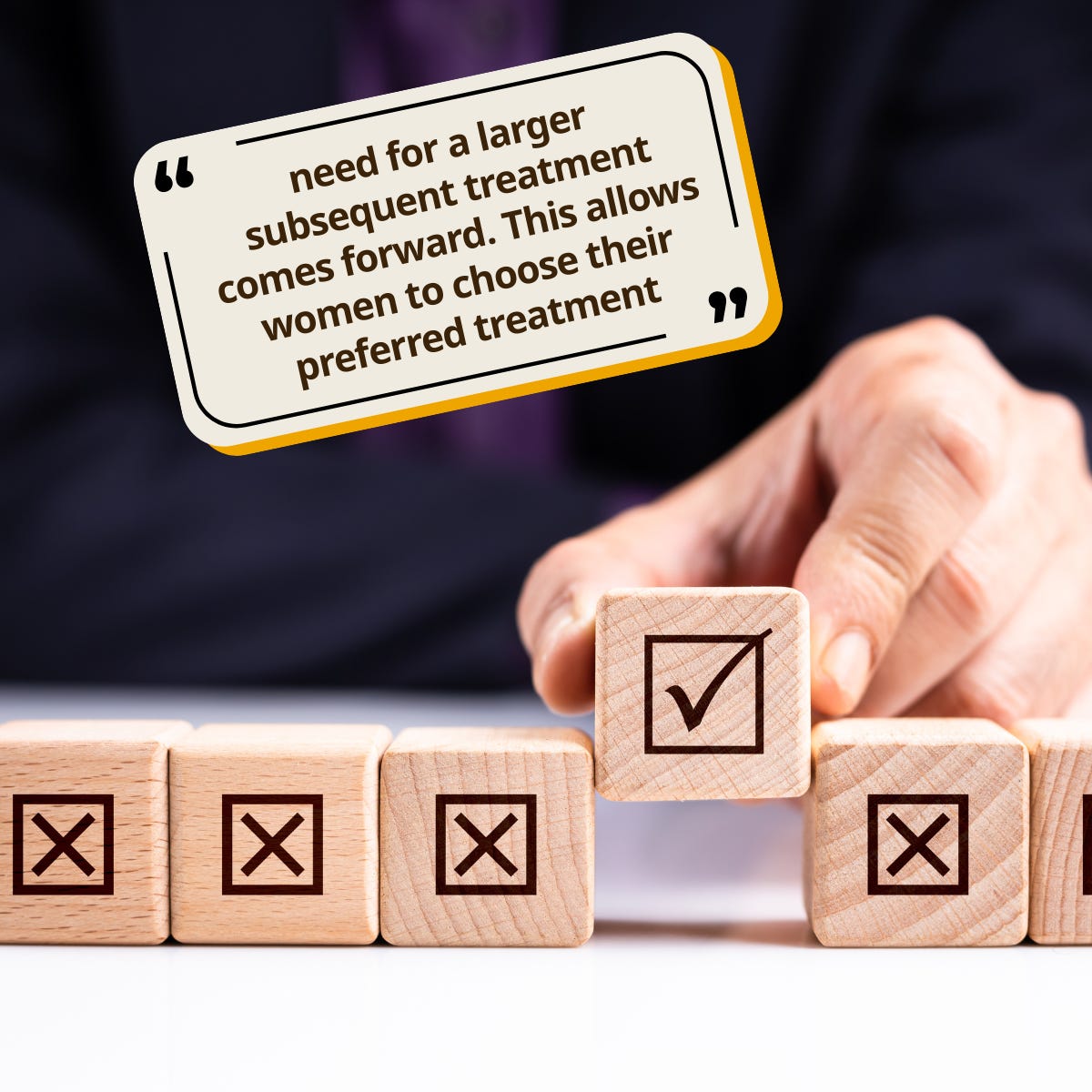
For women who wish to preserve their fertility, a myomectomy is the procedure of choice. This operation removes the fibroids whilst leaving the uterus entirely intact. In the hands of an experienced surgeon, myomectomy can be performed with precision even in complex cases involving multiple or large fibroids.
In cases where fibroids have caused severe, prolonged problems and fertility preservation is not a priority, surgical removal of the uterus - a hysterectomy - provides a permanent resolution.
🔹 Fibroid Embolisation
One of the more significant recent advances in fibroid management is uterine fibroid embolisation (UFE). In this procedure, a slender catheter is guided through a blood vessel in the leg and used to block the blood supply feeding the fibroid. Without its blood supply, the fibroid shrinks over time.
UFE requires no surgical incision and carries its own specific risk profile, as all treatments do. It is not suitable for every patient, but for the right candidate, it offers a meaningful alternative to surgery.
As with all treatment decisions, a detailed, open conversation with your doctor - about the benefits, limitations, and side effects of each option - is the essential first step.
🔷 A Final Thought
Fibroids are common. They are treatable. And you have more options than you may realise.
The best outcomes - whether that means managing symptoms, preserving fertility, or simply finding reassurance - come from acting on the information you now have. That means speaking to someone who knows this territory well.
If you have questions about fibroids, or if something in this article has resonated with your own experience, do not hesitate to get in touch.
Dr. Manas Chakrabarti, FRCOG
Senior Gynaecological Oncologist | ExCochrane Author
Kolkata, India
🔹 Further Reading
Fibroid Treatment Guide: 9 Steps Before Going to Doctor
Masterclass: Fibroid
This is an impartial , unsponsored health information. For public awareness and not a replacement of Medical Advice.